Primary Program Overview
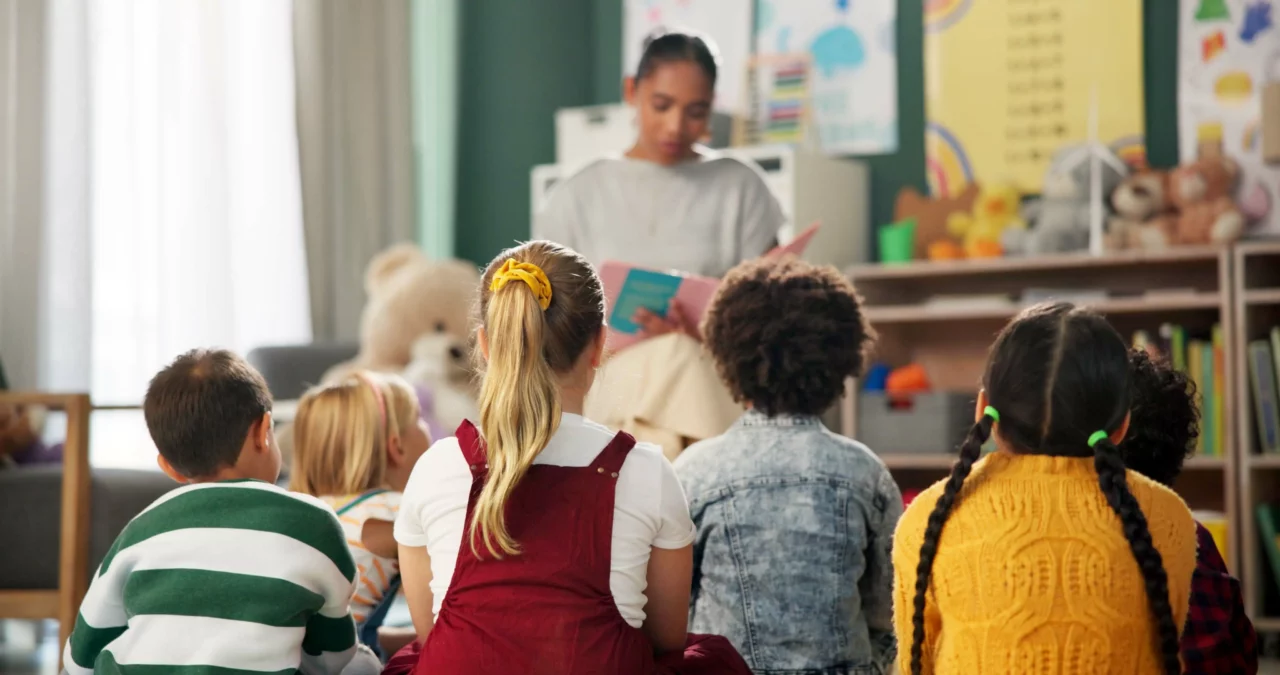
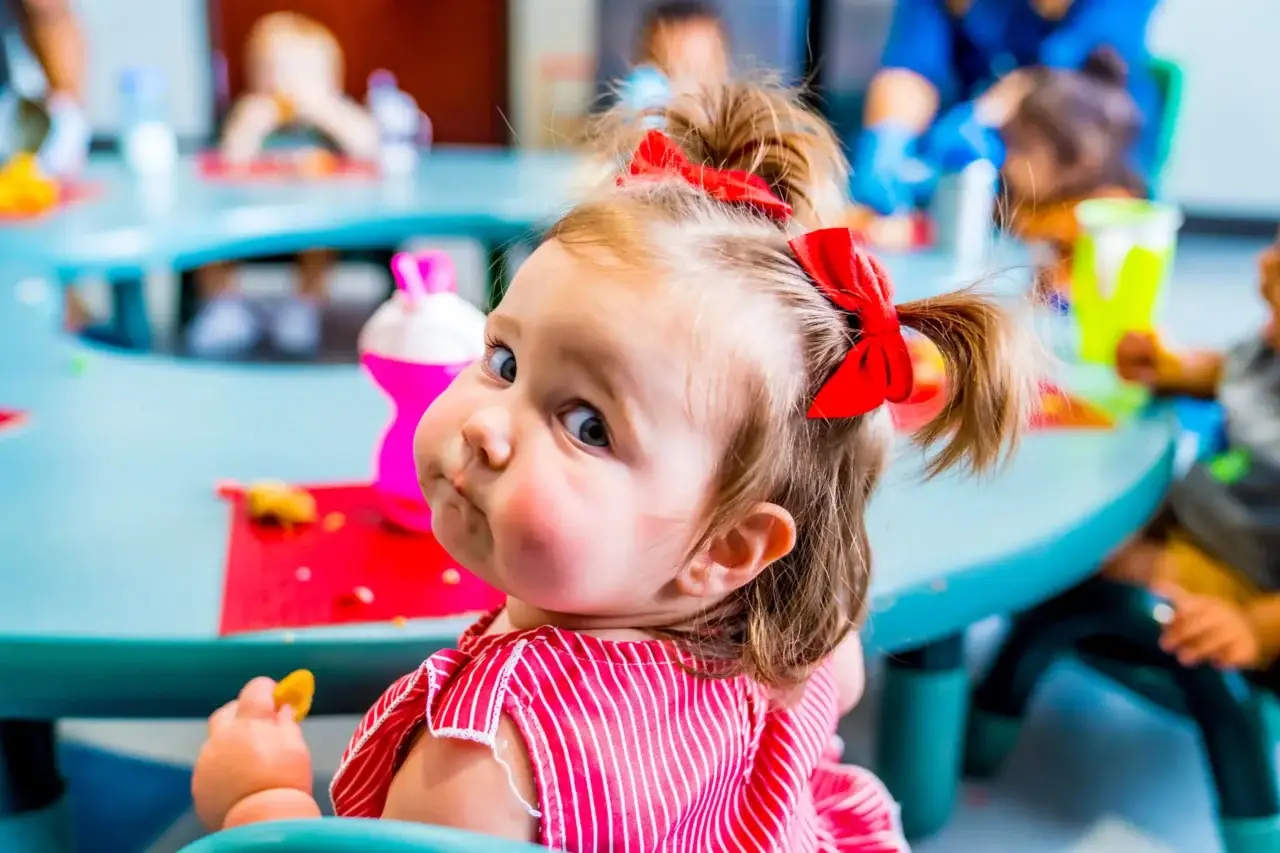
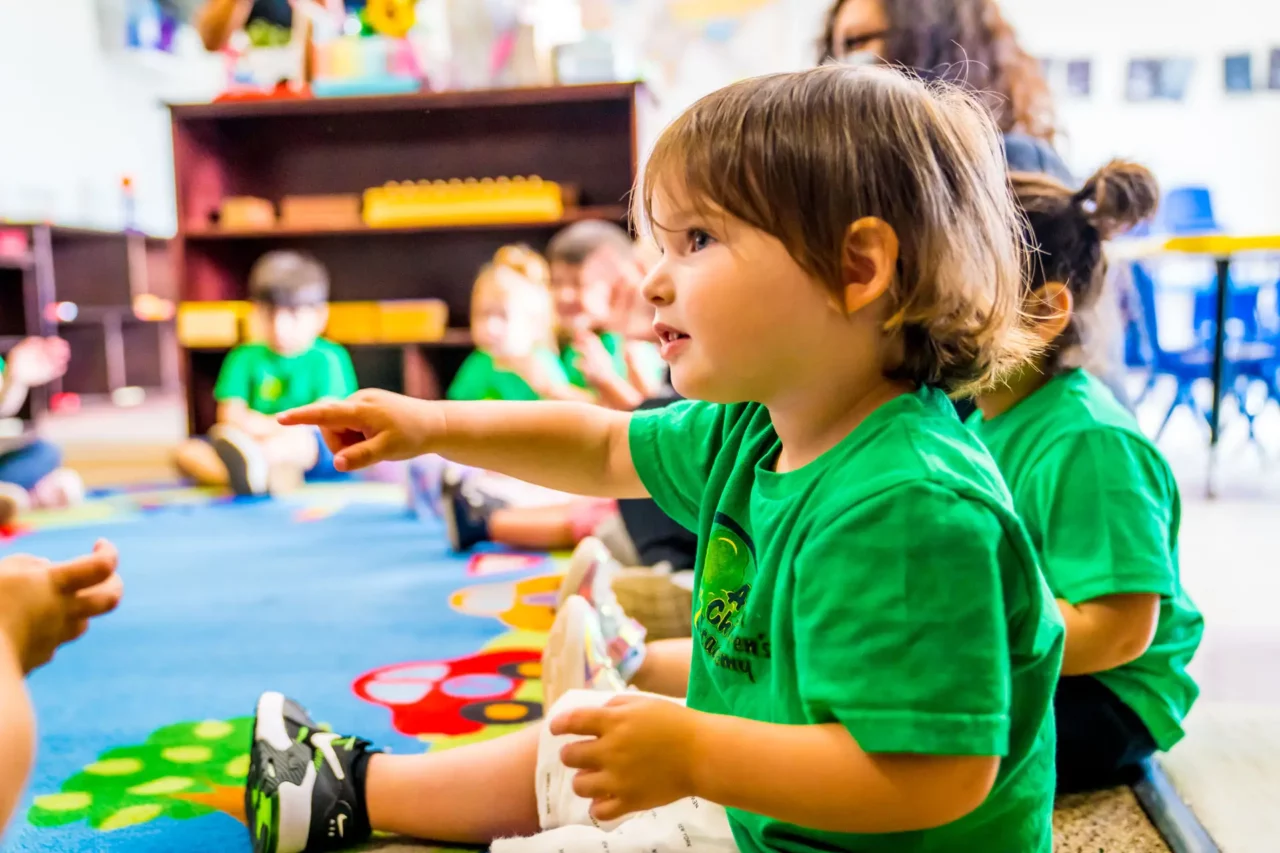
When a three-year-old enters the our Primary Program, they will experience a critical period in their early academic life. Over the next three years, they will develop in leaps and bounds in a wide variety of academic subjects.
Surrounded by language, your child’s vocabulary will expand, as will the complexity of their sentences and the breadth of their oral and reading comprehension. They’ll embrace new mathematical concepts and discover new interests in the world as they explore science, geography, language, and social studies.
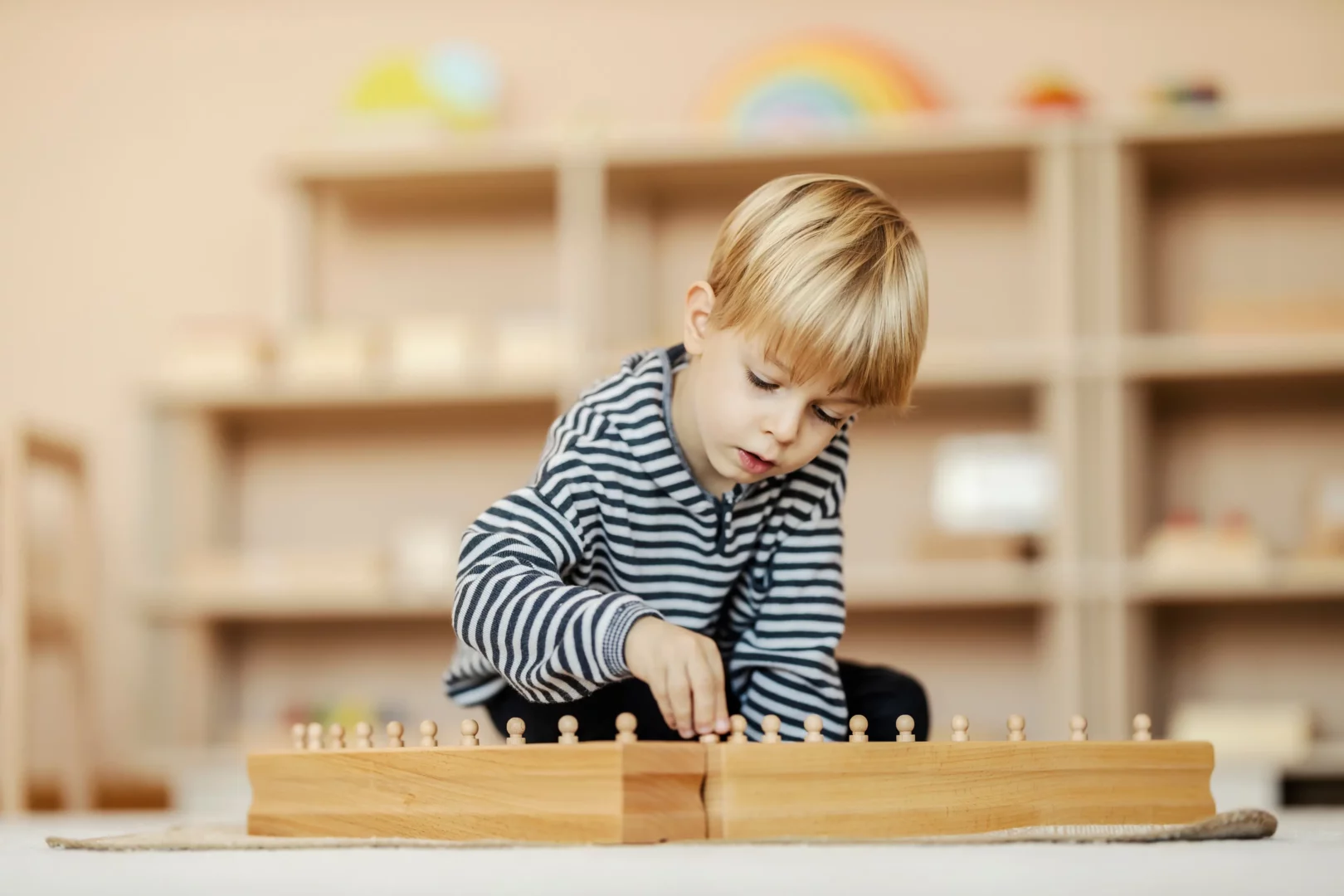
The Montessori Method
Austin Children’s Academy is a member of the American Montessori Society. Using the scientifically-based and widely embraced philosophy of Dr. Maria Montessori, we strive to offer your child the best educational experience possible.
We do this, in part, by tailoring each student’s academic goals and social development according to their own pace, needs, learning style, and rampant curiosity. When your child is having fun, then your child will love to learn.
Primary Program Details
Ages
3 years to 6 years
Program Hours
Half-Day: 8:30am – 12:30pm
Full-Day: 8:30am – 3:30pm
Extended-Day: 7:30am – 6:00pm
Class Size
12 students, 2 teachers
Nap Schedule
All students will have supervised nap periods that allow them to maintain their own sleeping pattern.
Multi-Age Classrooms
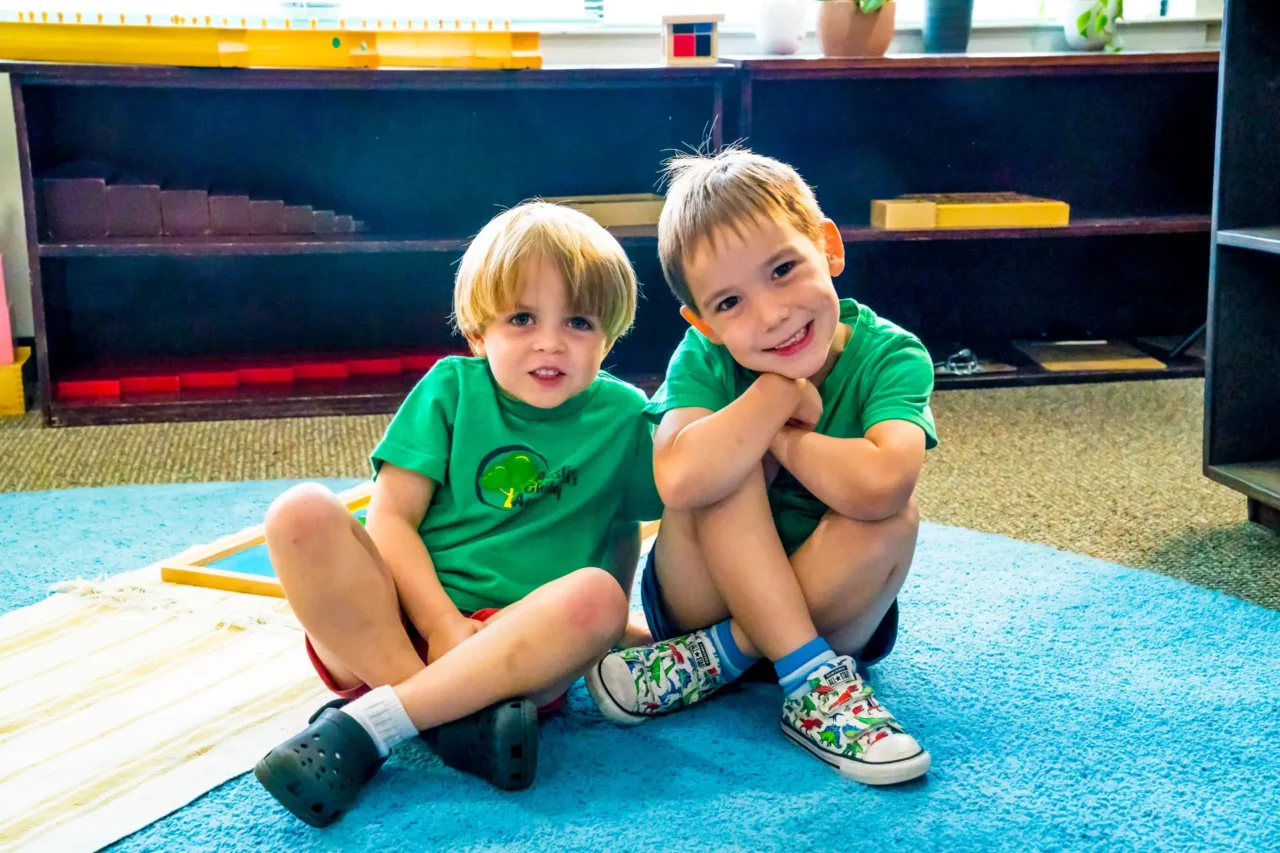
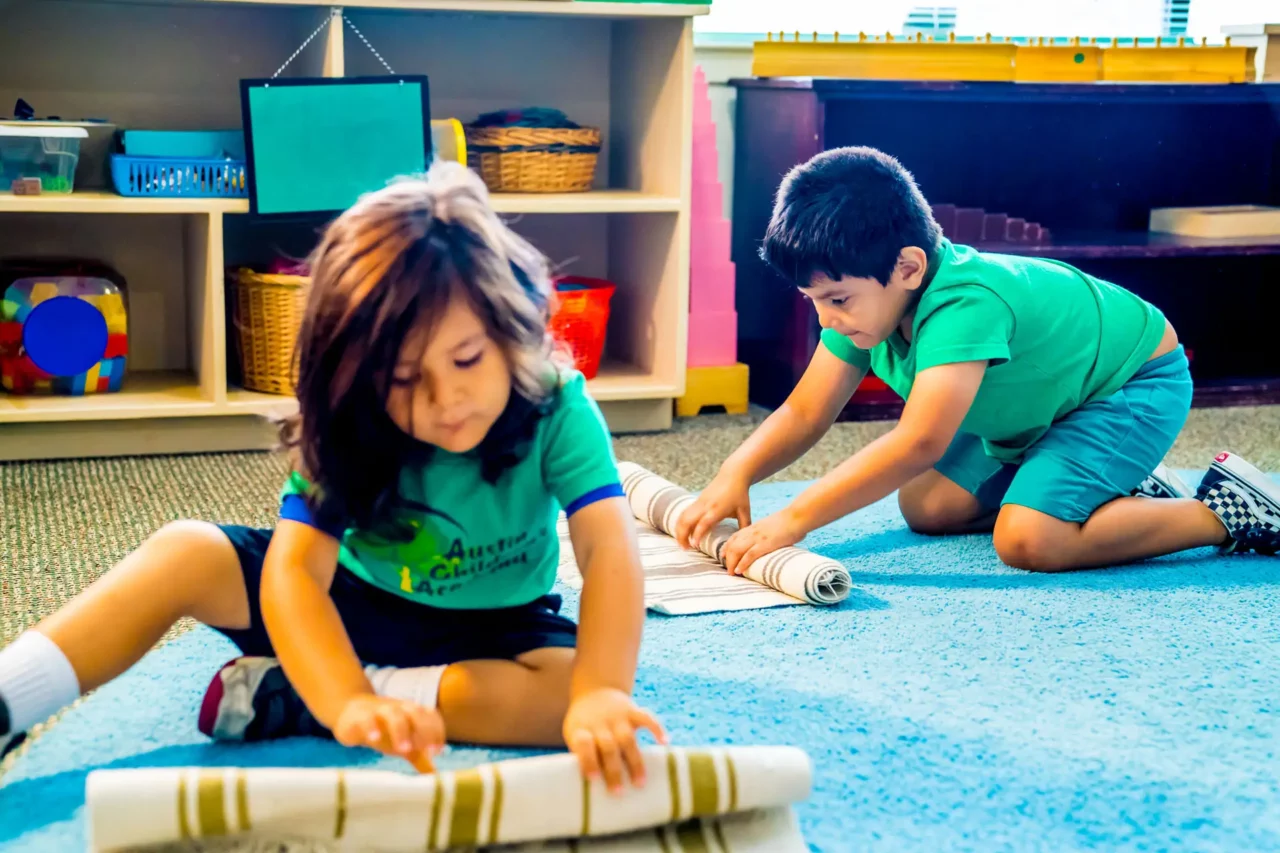
This arrangement promotes a family-like atmosphere where the younger children look up to their older peers for guidance – both academic and social, as they “age up” into the role of mentors.
Scientific studies have shown that children who have attended Montessori schools show marked gains in socialization when it comes to classroom behavior, conflict resolution, and group cooperation.
We attribute those developments in part to our multi-age classrooms, where respect for oneself and for others is emphasized and constantly reinforced.
Practical Life Learning
Academics are vital in our Primary Program, but so are practical life skills. Your three-year-old will be encouraged to learn self-care, taking the first step toward self-reliance, confidence, and independence.
Your child will be presented with well-crafted boards that are designed so that the student will know immediately if he hasn’t laced, tied, buttoned, snapped, or zipped correctly. By making mistakes, recognizing them, and then correcting them themselves, your child is learning the precise process needed to teach themselves any new skill.
As always, one of our Montessori-certified teachers hovers nearby, ready to step in as a guide not at the first sign of difficulty, but just before that moment when frustration threatens to spoil the fun.
Academic Curriculum
To prepare children to take the next step socially, cognitively, and academically, we focus our efforts on several areas of learning:
- Math: Your student will learn counting, pattern recognition, simple addition and subtraction, shapes, relative sizes, money, and telling time.
- Reading and Language: Learning letters, speaking simple sentences, writing words, and answering comprehension questions. We use phonetic and whole-language methods, and take advantage of our library and computer lab.
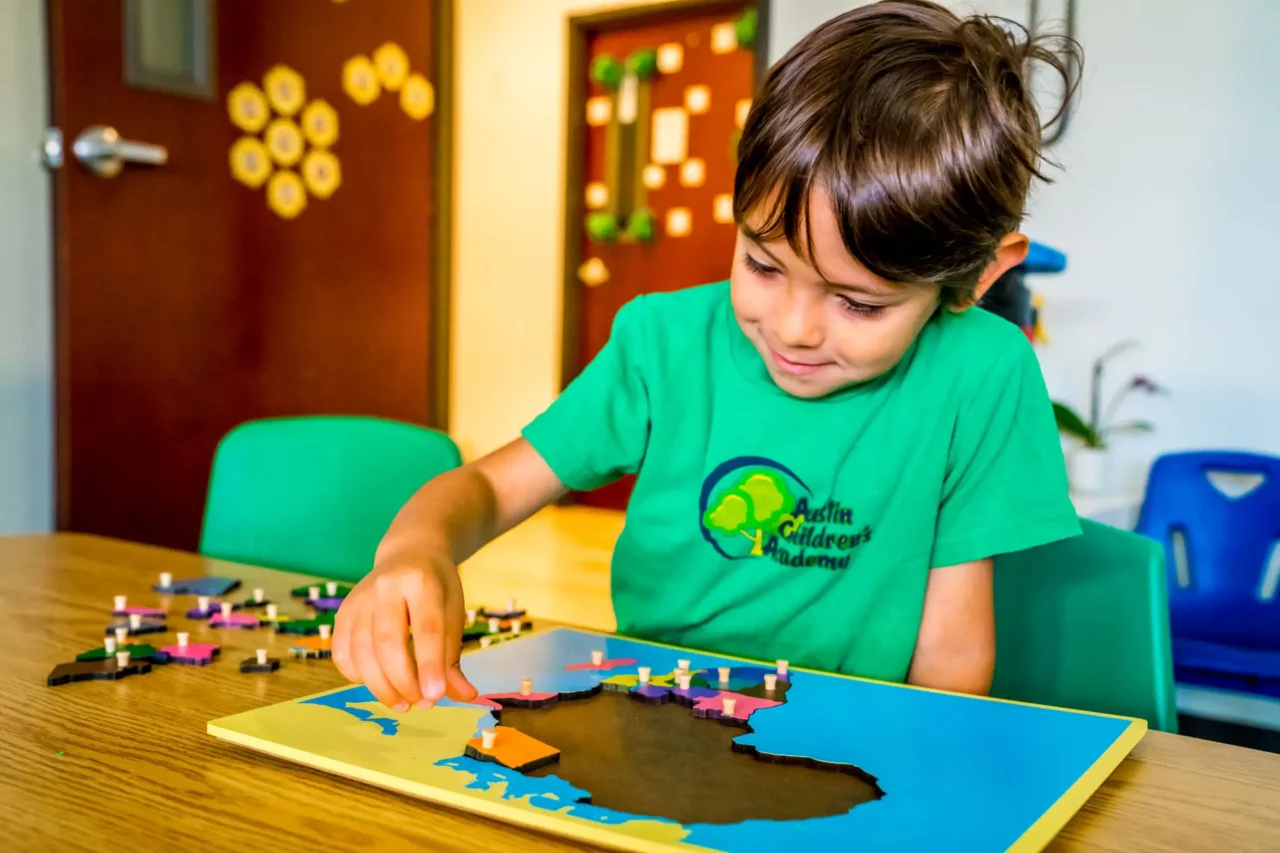
- Science, Social Studies, and Geography: We embrace topics like the study of the universe, the environment, animals and plants, and life sciences. In geography, we study landforms, continents, countries, and the fifty United States. In social studies, we learn about different cultures, customs, food, and music.
- Spanish: We begin the study of the Spanish language in our Primary Program. Children who take up a second language in their early years have an easier time becoming bilingual and enjoy other cognitive and academic benefits in the long term.
Explore More About Us
Contact Our Admissions Team

We Can't Wait To Meet You!
Have more questions? We’re here to help!